Phishing Warning: Fake WhiteHart Casino Emails
Phishing Warning: Fake WhiteHart Casino Emails
Online security is paramount, and a new threat has emerged targeting players: fraudulent emails impersonating the reputable WhiteHart Casino. This guide provides a step-by-step breakdown to identify these scams, protect your personal information, and understand what the real brand would never ask for.
How to Identify a Fake WhiteHart Casino Email
Scammers are becoming increasingly sophisticated, but their phishing attempts often contain tell-tale signs. A genuine communication from WhiteHart Casino will never ask you to confirm your password, credit card number, or send copies of your identification via email. Be extremely wary of messages that create a false sense of urgency, such as threats to close your account unless you “verify your details immediately.” Check the sender’s email address meticulously; often, fake addresses will use subtle misspellings of the legitimate domain (e.g., @whitehart-casino.support instead of @whitehartcasino.com).
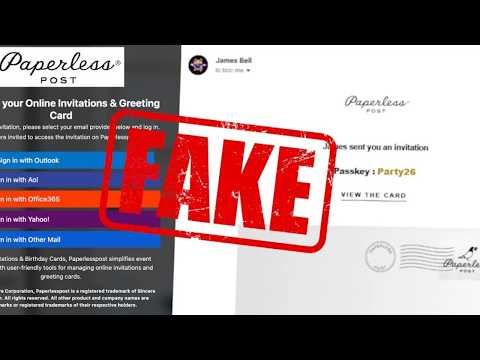
Common Tactics Used in These Scams
Phishers use several predictable strategies to lure victims. The most prevalent is offering a fake WhiteHart Casino no deposit bonus or WhiteHart Casino free spins to entice you to click a malicious link. These links lead to convincing but fraudulent login pages designed to harvest your credentials. Another common tactic is a “security alert” claiming suspicious activity on your account, pressuring you into divulging sensitive data. Remember, the real WhiteHart Casino casino team will always address you by your registered username and never ask for your full security details out of the blue.
| Phishing Email Claim | The Reality |
|---|---|
| “Claim your exclusive WhiteHart Casino bonus now!” | All bonuses are managed within your secure account on the official website; they are not distributed via unsolicited email links. |
| “Your account is frozen. Verify your identity.” | Legitimate security checks are performed through the site’s secure customer support system, not email. |
| “You won a prize! Enter this WhiteHart Casino promo code.” | Promo codes are for active promotions listed on the official site, not random email blasts. |
Step-by-Step: What to Do If You Receive a Suspicious Email
If you get an email you suspect is a phishing attempt, follow these steps immediately:
- Do Not Click Links or Download Attachments: Hover over any link to see the actual destination URL. If it looks suspicious, do not click.
- Report the Email: Forward the entire suspicious email to the official WhiteHart Casino security or customer support team. Use the contact email found on their genuine website.
- Delete the Email: After reporting, permanently delete the message from your inbox.
- Manually Log In: If you are concerned about your account status, open your web browser and manually type in the official website address to log in and check your messages there.
How the Real WhiteHart Casino Communicates
Understanding how a legitimate operator behaves is your best defense. Official emails from WhiteHart Casino will always direct you to log into your account on their secure website to take any action. They will use your correct username and provide specific details about your account history. For any official matters, you can always visit the genuine White Hart Casino website for support. Communications regarding withdrawals or document requests are handled through your account’s dashboard, not directly via email attachments or links.
Protecting Your Account and Personal Information
Beyond identifying phishing emails, proactive measures are essential. Always enable two-factor authentication (2FA) on your gaming account if it is offered. Use a strong, unique password for your WhiteHart Casino login that you do not use anywhere else online. Regularly monitor your account activity and bank statements for any unauthorized transactions. If you accidentally entered your details on a phishing site, change your password on the real site immediately and contact their customer support to report the breach.
